
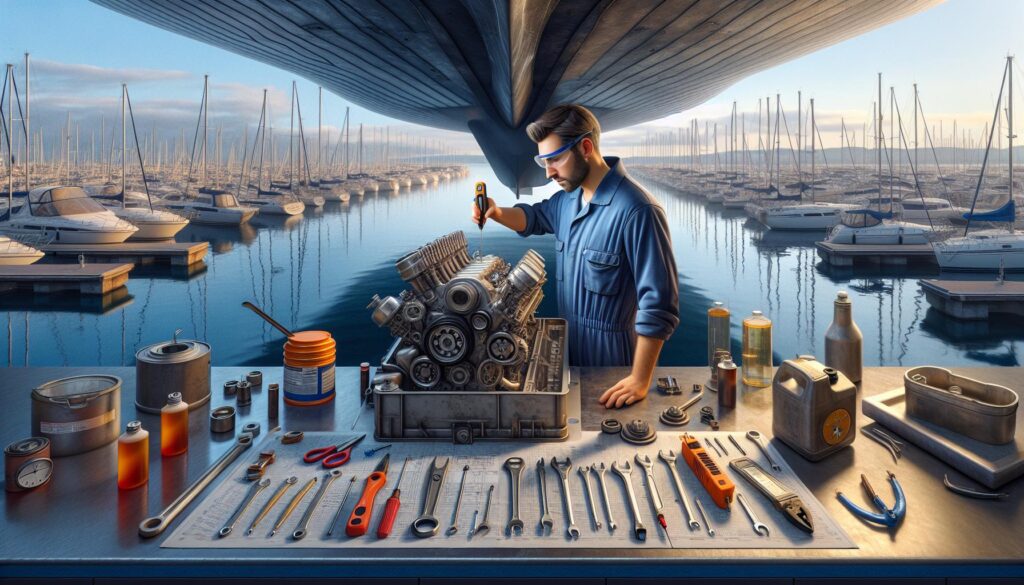
When it comes to keeping a vessel running smoothly, regular maintenance isn’t just a good idea—it’s essential. A well-maintained vessel not only ensures safety on the water but also extends the life of its components and prevents costly repairs down the line. Every part of a maintenance program plays a critical role in keeping things shipshape.
One key aspect of any vessel and engine maintenance program is consistency. Whether it’s checking fluid levels, inspecting belts, or cleaning filters, staying on top of routine tasks can make all the difference. Small issues caught early can save you from major headaches later. It’s all about creating a habit of care that ensures your vessel is always ready for the next adventure.
Understanding Vessel And Engine Maintenance Programs
A vessel and engine maintenance program involves scheduled procedures to keep the vessel safe and operational. These programs focus on tasks such as servicing engines, inspecting hulls, and maintaining essential systems like electrical wiring and navigation equipment.
- Engine servicing ensures optimal performance by addressing elements like oil changes, filter replacements, and coolant checks. For example, regular oil analysis can identify wear patterns and potential engine issues.
- Hull inspections identify damage, corrosion, or fouling. A clean hull improves fuel efficiency and reduces strain on the engine.
- System maintenance includes testing navigational aids, assessing electrical components, and calibrating instruments. As an example, checking battery connections prevents unexpected power loss.
Regularly reviewing manufacturer guidelines and adhering to service intervals is fundamental for consistent maintenance outcomes.
Importance Of Regular Maintenance

Regular maintenance ensures a vessel operates efficiently and remains safe for use. Consistent care addresses potential issues before they disrupt functionality or jeopardize safety.
Enhancing Safety And Performance
Preventing accidents begins with identifying equipment faults early. Maintenance tasks like inspecting propulsion systems and checking navigation aids eliminate hazards that could compromise safety. For example, poorly maintained engines increase the risk of breakdowns, especially during critical operations. Routine hull checks reduce drag, enhancing both fuel efficiency and vessel speed. Properly functioning systems, such as steering mechanisms and bilge pumps, contribute to consistent performance and reliability.
Reducing Long-Term Costs
Minimizing expenditures results from resolving minor issues promptly. Neglecting small problems like worn seals or dirty filters often leads to more extensive and costly repairs. Keeping engines tuned and components in good condition reduces fuel consumption, lowering operational costs over time. Additionally, adhering to a maintenance schedule optimizes the vessel’s lifespan, preventing the need for premature replacements.
What Is One Part Of A Regular Vessel And Engine Maintenance Program?

A vessel and engine maintenance program includes several critical tasks to ensure performance, safety, and durability. Focusing on specific practices helps maximize efficiency and reduce potential operational risks.
Routine Inspections
Routine inspections confirm the operational condition of all vessel components. I inspect the propeller for damage, clean and examine the hull for signs of wear, and check the electrical wiring for corrosion or loose connections. For the engine, I review belts, hoses, and clamps to identify cracks or wear. Consistently inspecting these areas prevents small issues from developing into costly repairs.
Proper Lubrication Practices
Lubrication reduces friction and ensures smooth functioning of engine components. I apply high-quality lubricants to moving parts like the engine drive shafts, bearings, and throttle cables according to manufacturer recommendations. Overlooking proper lubrication increases wear and shortens component lifespan, resulting in higher maintenance costs.
Monitoring And Replacing Engine Fluids
Engine fluid maintenance directly impacts system performance. I regularly monitor and replace fluids like engine oil, coolant, and transmission fluid while adhering to specified service intervals. Dirty or depleted fluids compromise engine cooling and operation, potentially leading to engine failure. Using the correct fluid types promotes optimal functioning and longer engine life.
Common Challenges In Maintenance Programs

Regular maintenance programs often encounter various challenges that can compromise their effectiveness. Addressing these issues is vital to maintain safety, performance, and cost-efficiency.
Overlooking Small Details
Missing minor faults during inspections can lead to significant problems. Small cracks in the hull, loose wiring, or low fluid levels may seem insignificant but can escalate into critical failures. For example, ignoring a worn belt could result in engine damage over time. Consistently reviewing every vessel component, no matter how minor, minimizes long-term risks.
Inconsistent Maintenance Schedules
Skipping scheduled maintenance disrupts system reliability and increases operational risks. Delayed inspections or servicing intervals often result in undetected wear, reduced efficiency, and higher repair costs. For instance, deferring oil changes can cause engine overheating, leading to costly repairs. Sticking to a structured timeline ensures optimal performance and reduces downtime.
Best Practices For Effective Maintenance

Consistent maintenance practices extend a vessel’s lifespan and ensure optimal performance. Implementing these practices improves safety, reduces costs, and boosts operational reliability.
Using A Maintenance Checklist
A maintenance checklist standardizes procedures, ensuring no critical task is overlooked. I use a detailed checklist for each maintenance session, which includes components like engine oil levels, hull inspections, and electrical system tests. This approach helps me identify issues quickly and ensures every part of the vessel is reviewed systematically. Following a checklist also minimizes human error and ensures compliance with manufacturer recommendations.
Training Crew Members
Training crew members enhances maintenance effectiveness by promoting a collective understanding of best practices. I ensure all crew members receive instruction on essential maintenance tasks, such as identifying wear signs, conducting minor repairs, and safely handling equipment. Well-trained crew members can spot potential issues early and handle routine checks efficiently, reducing the risk of failures during operation.
Conclusion
A well-structured vessel and engine maintenance program is the cornerstone of safe and efficient operations. By committing to regular inspections, proper lubrication, and timely fluid replacements, I’ve found it’s possible to prevent costly repairs and extend the vessel’s lifespan.
Consistency and attention to detail are vital for addressing potential issues early and maintaining peak performance. With the right practices in place, every outing becomes safer, smoother, and more cost-effective.
Frequently Asked Questions
Why is regular maintenance important for vessels?
Regular maintenance ensures a vessel’s safety, efficiency, and longevity. It helps identify and address minor issues before they escalate into costly repairs or safety hazards. Consistent upkeep also improves fuel efficiency, reduces operational risks, and optimizes the vessel’s lifespan.
What are the key components of a vessel maintenance program?
A vessel maintenance program includes inspecting the hull for damage, servicing the engine, monitoring fluids, and maintaining essential systems like electrical wiring and navigation aids. Following manufacturer guidelines and adhering to service schedules are crucial for effective maintenance.
How does engine maintenance enhance performance?
Engine maintenance involves tasks like oil changes, filter replacements, and coolant checks. These practices reduce wear, improve engine efficiency, and prevent potential breakdowns, ensuring the vessel operates reliably and remains safe for use.
What is the role of hull inspections in vessel maintenance?
Hull inspections identify cracks, leaks, or other damage, which improves safety and fuel efficiency. Properly maintaining the hull can also enhance vessel speed and prevent issues like excessive drag during operation.
How can poor maintenance impact a vessel?
Overlooking maintenance can lead to undetected wear, engine failure, reduced efficiency, and increased long-term repair costs. Inconsistent schedules may also compromise safety and performance, raising the risk of operational failures.
Why is a maintenance checklist important?
A maintenance checklist helps standardize procedures, ensuring no critical task is missed during inspections. It minimizes human error and streamlines the upkeep process, enhancing safety, reliability, and performance.
How can maintenance reduce long-term costs?
Timely maintenance prevents minor issues from escalating into expensive repairs. Routine checks and servicing optimize system performance, extending the vessel’s lifespan and reducing overall ownership costs.
What are the best practices for effective vessel maintenance?
Effective practices include adhering to a consistent schedule, using a maintenance checklist, inspecting all components thoroughly, and training crew members. These steps help identify potential issues early and minimize risks during operation.
How can crew training improve maintenance programs?
Well-trained crew members can efficiently conduct routine checks, identify potential faults, and address small issues before they worsen. This collective approach ensures more effective and reliable vessel maintenance.
What challenges should be avoided in a maintenance program?
Common challenges include skipping scheduled inspections, overlooking minor details like low fluid levels, and inconsistent practices. These mistakes can compromise system reliability, increase costs, and lead to major operational problems.